
If you’re planning a trip to Harpers Ferry, make sure to add John Brown’s Fort to your list of must-see spots. This small yet iconic building holds a powerful story that changed the course of American history.
John Brown’s Fort today is a historical exhibit that brings visitors face-to-face with the courage, struggles, and sacrifices of the past. Here’s why we think the exhibit is worth your time.
What is John Brown’s Fort?
John Brown’s Fort started as a fire engine and guard house at the Harpers Ferry Armory, built in 1848. While it might not seem like much at first glance, this building gained fame during John Brown’s 1859 raid. Over the years, the fort has been moved, taken apart, and even displayed at an exposition before returning to Harpers Ferry. Despite all this, its legacy has remained firmly rooted in history.

Who Was John Brown?
John Brown was an abolitionist who believed slavery was an evil that had to be eradicated. Brown saw violent action as the only way to bring about meaningful change. In 1859, Brown and a small group of followers devised a bold plan to strike at the heart of slavery.
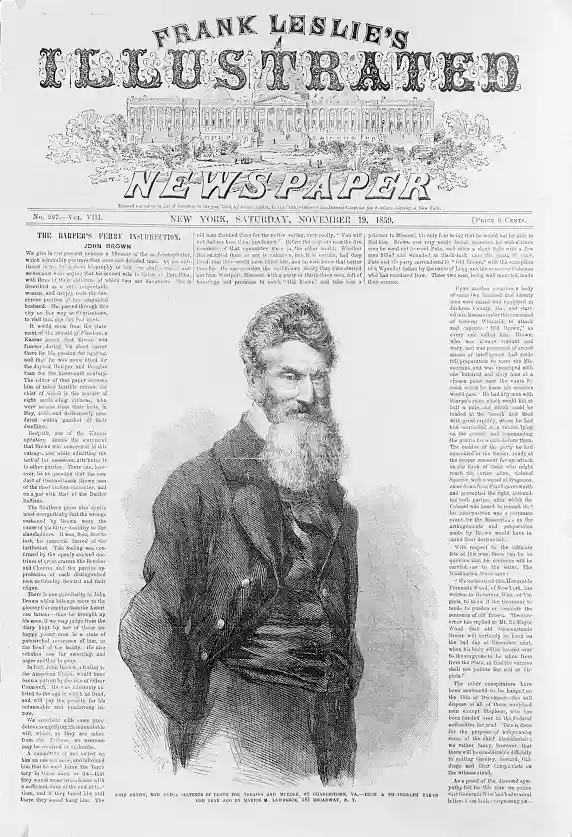
The Raid on Harpers Ferry
On October 16, 1859, John Brown and 21 of his followers—including a few of his sons—stormed the federal armory in Harpers Ferry. Their goal was to seize weapons and use them to ignite a massive rebellion among enslaved people across the South.
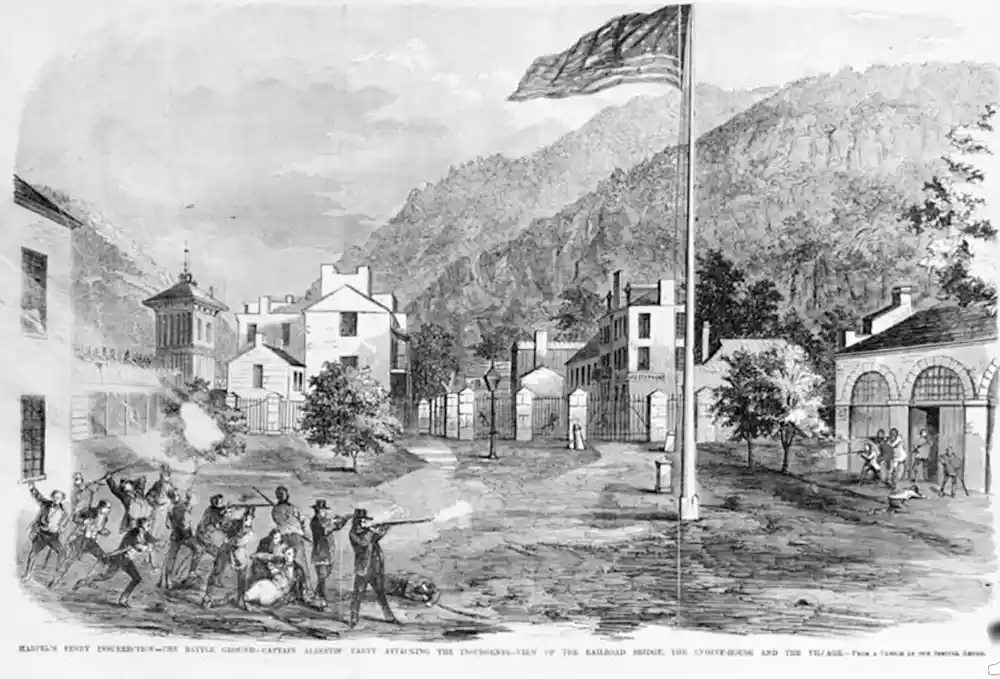
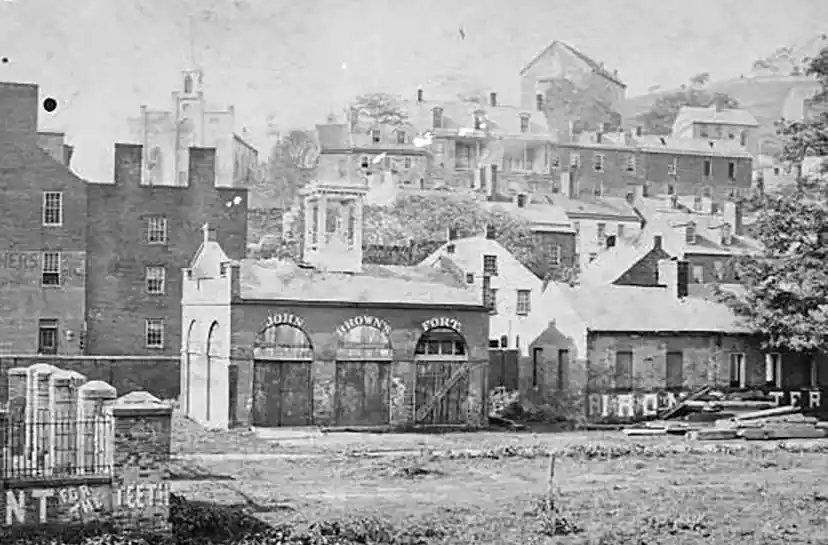
But the plan quickly fell apart. Local residents and militia surrounded the armory, trapping Brown and his men inside what we now call John Brown’s Fort. The standoff lasted two tense days before U.S. Marines, led by Colonel Robert E. Lee, stormed the fort on October 18. Brown and his surviving followers were captured.
The Aftermath of John Brown’s Raid
After the raid, John Brown was tried for treason, murder, and inciting a slave revolt. He was found guilty and executed on December 2, 1859. While his raid didn’t achieve its immediate goal, it sent shockwaves through the nation.
Brown’s actions deepened the divide over slavery, pushing the country closer to the Civil War. To abolitionists, he became a martyr—someone who willingly gave his life to fight for justice. His raid challenged Americans to confront the moral and political crisis of slavery.
Visiting John Brown’s Fort Today
If you join us in Harpers Ferry, visiting John Brown’s Fort exhibit is an unforgettable experience. As part of Harpers Ferry National Historical Park, the fort offers a glimpse into the turbulent history of the 1850s.
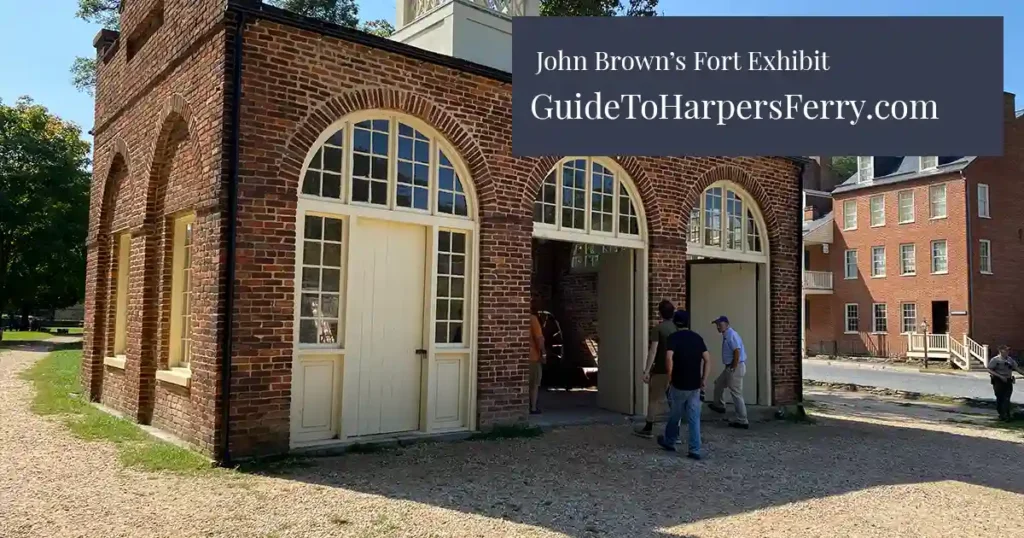
Interestingly, the fort has traveled far and wide over the years. It was dismantled, relocated, and even showcased at the 1893 World’s Columbian Exposition in Chicago before finally being brought back near its original site. Today, it’s a must-see landmark for history enthusiasts.
Why It Matters
John Brown’s Fort is a symbol of resilience and the fight for freedom. It reminds us that standing up for justice often comes with great risk but can inspire lasting change.
Understanding John Brown’s story helps us see the complex history of the United States and the sacrifices made in the pursuit of equality. His raid, though controversial, set the stage for the Civil War and the eventual abolition of slavery.
Next time you’re exploring Civil War history or discussing America’s past, think of John Brown’s Fort and the man who risked everything to fight for a better future. It’s a story of bravery, conviction, and the unyielding pursuit of justice.
While in Harpers Ferry, be sure to also visit the site of Storer College, one of first black colleges established after the Civil War.